

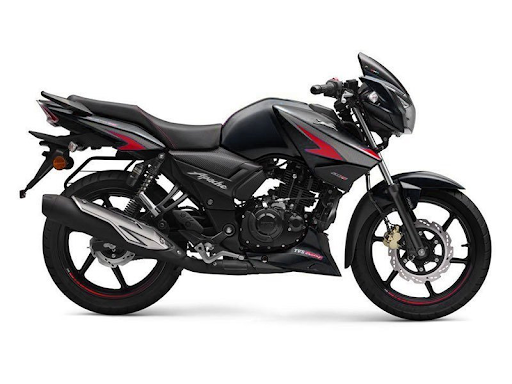
The TVS Apache name covers motorcycles with different engines, performance levels and equipment. The Apache RTR 160 remains a relevant option for riders moving beyond a basic commuter without jumping immediately to a larger and more expensive machine. A useful buying decision starts by distinguishing the standard RTR 160 from the other TVS Apache models currently offered.
The RTR 160’s appeal to an everyday rider
The 159.7 cc Apache RTR 160 belongs to the sporting commuter segment. It is intended to make a routine ride more engaging while remaining manageable for city use. Its five-speed gearbox provides direct control over acceleration and engine response. A rider stepping up from a smaller motorcycle may notice the change in power delivery, stance and braking feel. That improvement should be evaluated on actual roads, not presumed from capacity alone. If most journeys involve crowded streets and short distances, agility, comfort and smooth low-speed response should receive priority.
Why the 160 4V is not simply another colour
The RTR 160 4V has a different four-valve engine configuration and a distinct variant catalogue. TVS also updated its 2026 4V offering with changes to lighting and selected equipment. Its higher-revving sporting character may suit riders interested in stronger performance. The two-valve RTR 160 can remain a sensible choice when its price and straightforward specification better match the budget. A dealership may display the two machines side by side, but an online listing sometimes shortens both names to Apache 160. Insist on the exact model designation before comparing features.
How the Apache RTR 180 changes the equation
The Apache RTR 180 sits above the 160 in engine capacity and may appeal to riders wanting a further step in response without choosing a much larger sports motorcycle. Yet additional displacement does not automatically improve comfort or economy. Compare real-world riding position, clutch effort, brake configuration and the usability of each gearbox on your typical roads. The 180 can be attractive for mixed commuting and occasional open-road use, but the RTR 160 may feel more practical when the majority of travel happens in tightly packed traffic.
Higher Apache models have different purposes
The RTR 200 4V and the larger Apache family target buyers with higher performance expectations and potentially different electronics or equipment packages. Their price, tyre sizes and maintenance needs may also differ. If you seldom travel beyond city limits, paying for advanced features might provide little benefit. On the other hand, a rider regularly using highways should assess stability, overtaking ability and comfort at legal cruising speeds. Do not treat the entire Apache range as interchangeable because the styling shares familiar elements. The intended riding conditions matter more than the badge.
Features worth comparing at the dealership
Check the ABS arrangement, whether a rear disc is included, tyre specifications, instrument type and available riding modes on the exact version. Ride modes can alter throttle response or related settings, depending on the motorcycle; they do not create extra mechanical capacity. Test the lighting and instrument readability when stationary, and examine the location of the controls. Accessories and promotional packages can make the display bike appear better equipped than the stock variant. The written quotation should separate the motorcycle price from everything added by the dealer.
Cost of ownership beyond the engine figure
Fuel consumption varies with riding style and traffic, so a single promised mileage number should not decide the purchase. Ask for the recommended service schedule, tyre replacement sizes and insurance details. Regular chain adjustment and correct tyre inflation also affect daily riding quality. Larger or sportier variants may require more expensive consumables. Where authorised service is far away, routine maintenance can create a practical inconvenience even if the initial purchase price looks attractive. Evaluate the costs you will face over several years, not just the amount payable on delivery day.
When financing a higher variant makes sense
If moving from a standard Apache RTR 160 to a higher specification requires borrowing, calculate the total additional amount repaid across the loan. A lower down payment can make an expensive model look accessible while increasing interest. Compare EMI quotes with matching tenures and rates to see the genuine difference. Keep the purchase within a budget that also allows regular servicing and protective riding equipment. A feature that improves your actual daily riding may justify an expense; an upgrade chosen only for the advertisement may not.
A shortlist built around your priorities
Begin with the standard Apache RTR 160 when you want a sporty commuter with manageable costs. Test the 160 4V when performance or specific equipment matters. Consider the RTR 180 and larger models only if your route and budget genuinely warrant them. Compare exact variants in writing, ride at least two motorcycles and choose the one that feels balanced rather than merely the one with the highest specification figure.