

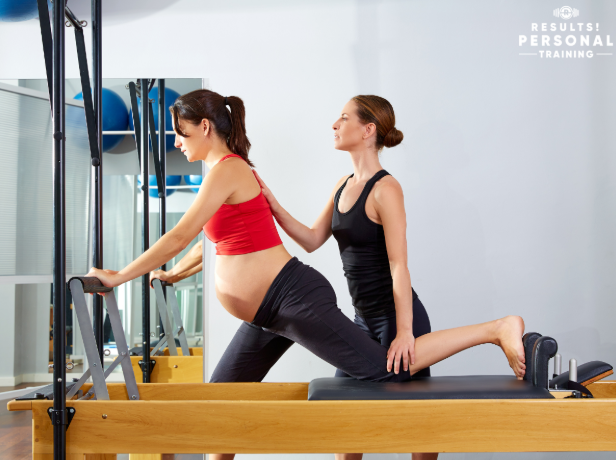
Pregnancy and the postpartum phase bring significant physiological, hormonal, and structural changes in the human body. These changes affect muscle strength, posture, metabolism, and overall mobility, making structured movement essential for safe recovery. One of the most researched approaches to maintaining health during this period is pre and post-natal fitness, which focuses on controlled exercise adaptations that support both mother and baby through pregnancy and recovery.
Understanding how the body responds to shifting hormones such as relaxin and progesterone is essential, as these directly impact joint stability, ligament flexibility, and energy levels. A properly designed fitness approach ensures that strength, endurance, and core stability are maintained without adding unnecessary strain on the pelvic region or abdominal wall.
Understanding Pre and Post-Natal Fitness
Pre and postnatal fitness refers to scientifically adapted exercise routines designed for women during pregnancy and after childbirth. During pregnancy, the body experiences changes such as increased blood volume, postural shifts due to a growing uterus, and reduced core stability caused by abdominal separation (diastasis recti).
Postpartum, the focus shifts toward restoring pelvic floor function, rebuilding core strength, and improving cardiovascular endurance. Research highlights that controlled physical activity during these phases may reduce risks such as gestational diabetes, excessive weight gain, and postpartum fatigue, while also supporting emotional stability and sleep quality.
Physiological Changes and Their Impact on Exercise
One of the most important considerations in this stage is musculoskeletal adaptation. The pelvic floor muscles undergo significant stress during pregnancy and delivery, often leading to weakness if not properly trained. Similarly, abdominal muscles stretch and may separate, requiring gradual rehabilitation rather than immediate high-intensity workouts.
Hormonal changes also influence joint laxity, which increases injury risk if movements are not controlled. As a result, exercise selection must prioritize stability-based movements, low-impact cardio, and controlled strength training.
Safe Exercise Principles During Pregnancy and Recovery
A safe fitness routine in this period generally follows medical guidelines recommending around 150 minutes of moderate activity per week. Low-impact exercises such as walking, swimming, and stationary cycling are commonly recommended due to their reduced stress on joints.
Strength training is also beneficial when performed with light to moderate resistance, focusing on higher repetitions and controlled form. Breathing techniques play a critical role as well, especially in maintaining core engagement and reducing intra-abdominal pressure.
Postpartum recovery often includes exercises like pelvic tilts, gentle core activation, and pelvic floor contractions. These help restore muscular balance and reduce long-term complications such as lower back pain or urinary incontinence.
Importance of Structured Guidance and Monitoring
Because every pregnancy is physiologically unique, individualized programming becomes essential. Exercise intensity, duration, and type must be adjusted based on trimester stage, delivery method, and overall health condition.
This is where professional supervision becomes valuable, ensuring movements are performed safely and progressively. In structured fitness environments, trainers assess mobility, monitor recovery markers, and modify routines based on healing progression. Many individuals also evaluate factors such as a personal trainer in Singapore when considering guided programs, as professional supervision often provides more tailored and safer long-term outcomes compared to generic workout plans.
Conclusion
A well-planned approach to maternal health ensures that both pregnancy and recovery phases are supported through safe and progressive movement strategies. Evidence suggests that consistent activity improves cardiovascular health, supports mental well-being, and accelerates physical recovery when done correctly. Ultimately, pre- and postnatal fitness is not about intensity but about intelligent adaptation, understanding how the body changes and responding with appropriate training methods. When supported with expert guidance and awareness of factors such as personal trainers in Singapore prices, individuals can make informed decisions that promote long-term strength, stability, and overall wellness during one of life’s most transformative stages.
 Sally
Sally