

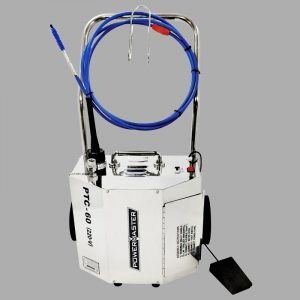
Heat transfer depends on clean tube surfaces. When soot, scale, ash, and other deposits build up inside boiler tubes, they can reduce heat flow, raise fuel use, and place extra load on the system. A boiler tube cleaner machine helps tackle these deposits with controlled mechanical cleaning, making it useful during planned maintenance and when tube performance starts to drop.
Why Boiler Tube Cleaning Matters
Boiler tubes work under heat, pressure, and continuous flow. Even a thin layer of deposit can act as insulation between the hot gas and the tube wall. This reduces heat transfer and can increase the risk of tube damage.
Regular cleaning helps maintain heat exchange, supports steady boiler output, and keeps tube surfaces in better condition. It also gives maintenance teams a practical way to remove deposits before they become harder to clear.
How a Boiler Tube Cleaner Machine Works
A boiler tube cleaning machine uses a powered cleaning tool to remove deposits from the inner or outer tube surface, depending on the machine design and application. Many systems use rotating brushes, flexible shafts, drills, or other mechanical tools.
The cleaning head is selected based on tube size, deposit type, and the level of buildup. A tube cleaning brush can loosen scale and dirt while reducing the need for manual scrubbing.
Some machines are designed for repeated tube cleaning across large tube banks. This can make the work more consistent and reduce the physical effort needed from maintenance crews.
Choosing the Right Cleaning Method
The right cleaning method depends on what has collected on the tube surface. Soft deposits may need a lighter brush, while hard scale can require a stronger tool or more force.
Tube condition also matters. Old or thin-walled tubes need a cleaning method that removes deposits without causing surface damage. Tool size, brush material, shaft flexibility, and operating speed should match the tube design.
A good cleaning setup should also allow technicians to reach the full tube length. Poor access can leave deposits behind and reduce the value of the cleaning work.
Industrial Use Cases
Boiler tube cleaning machines can support maintenance in power plants, process plants, manufacturing facilities, heating systems, and other sites that rely on boilers.
They are useful during scheduled shutdowns, tube inspections, and cleaning work after prolonged operation. They can also help maintenance teams respond when heat transfer drops or visible deposits are found during inspection.
Mechanical tube cleaning is especially useful where many tubes need to be cleaned in a repeatable way. The process can help create more consistent results than relying only on hand tools.
Maintenance and Safety Considerations
Before cleaning, technicians should confirm tube dimensions, access points, deposit type, and equipment condition. The boiler must be isolated and made safe according to the site’s maintenance procedure.
After cleaning, the tubes should be checked for remaining deposits, wear, cracks, or other signs of damage. Cleaning tools should also be inspected and stored correctly after use.
Conclusion
A well-matched boiler tube cleaner machine can turn a demanding maintenance task into a more controlled process. The right combination of machine, brush, and cleaning method helps remove deposits while protecting tube surfaces and supporting reliable heat transfer.
For industries that need purpose-built tube cleaning equipment, Tube Cleaners offers machines and tools designed for practical tube maintenance applications. Its equipment can help maintenance teams approach tube cleaning with better control and less manual effort.